

Pass Fire Safety: Learn legal requirements, inspections, and compliance steps to get approved and open your business confidently.!
I still remember the first time I had to deal with a fire safety inspection. It wasn’t dramatic at all, no alarms, no sparks, nothing urgent on the surface. But within the broader scope of Business Law, it felt significant. It was a quiet reminder from a local authority that my small commercial space required approval before opening.
But that moment, I understood. Something important: pass through fire safety It just isn’t a technical requirement, This is a legal gateway. If you don’t pass, you don’t work. It’ s It’s elementary.
When most people How to apply pass fire safety, they I think they are looking a checklist. In fact, they go into a lot. Larger legal system which includes building legislation, licensing, insurance, and liability. And until you figure out how these pieces fit together, it’ s It’s easy to get stuck, procrastinate, or even terminate before you’ve even started.
What Does “Passed Fire Safety” Mean Legally?
Let’s clear this up. First. Passes by fire safety No meaning your building is completely safe. That means your property fashion the minimum legal standard Required by authorities To allow possession or business operations.
That approval Comes often the form of a certificate, It is sometimes called a Fire Safety Certificate, NOC, or inspection approval. Without it, you may not be legally allowed to:
- Open a business
- Renew. A license
- To occupy a commercial building
It’ s A binary outcome. You rather pass and move forward, Or fail and discontinue everything.
Invisible Legal System Behind Fire Safety
Here’ s This is where things get more interesting and more complicated. Fire safety is not a standalone rulebook. This is it. Part of a network Of legal frameworks working together.
When you try pass fire safety, You work indirectly with:
- Build and construction regulations
- Occupational health and safety laws
- Municipal licensing requirements
- Insurance compliance standards
Analyze value this a chain. If one link breaks, The entire process fails. I learned this the hard way When I assumed to install. Fire extinguishers was enough. It wasn’t. Documentation, sequence, and even signage placement All matters.
What Inspectors Actually Identify Out
But some point, Every applicant asks. The same question: What do you actually do? inspectors check The answer It is both fundamental and detailed. Inspectors Assessment your space Seam a complete system, Not only individual items.
Here’ s Which usually means mostly:
- Fire detection systems( alarm, smoke detectors)
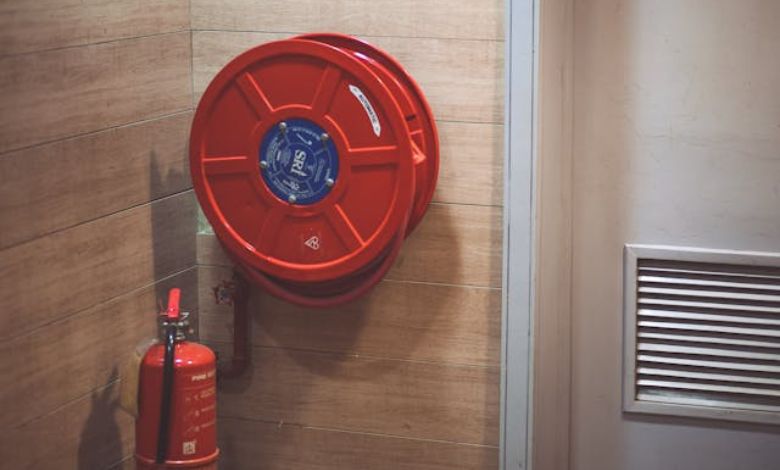
- Fire suppression tools( extinguishers, sprinkler)
- Emergency Goes out and clear pathways
- Proper signage And light
- Electrical safety and load management
- Ventilation and hazard control
- Evacuation Projects and staff awareness
But here’ s The catch is that even though everything is installed, you can still fail. I’ve seen this happen because of something as small as a blocked output or timeout. Extinguisher tag. It’s not about having things, it’ s About proving that it works and lasts.
Most Overlooked Factor: Documentary
This is the place. Most people Slippery and honestly, I almost did too.
Fire safety compliance is not only physical, it’ s document- based. Authorities Awaiting proof not assumptions.
You usually warrant:
- Maintenance records
- Equipment certification
- Inspection logs
- Fire safety Plans
Without them, even a fully equipped building can fail. It feels frustrating, though a legal standpoint, It makes sense. The burden of proof is always up to you, not the inspector.
Step by Step: How the Process Works
To understand the process can construct everything feel less overwhelming. Breaking it down into steps helped me stay focused as I went through it.
- Submit an application For inspection
- Allocate required documents and building details
- Pass through physical inspection
- The address any deficiencies If found
- Receive final approval or certification
Sometimes you get time to fix the problems. Other times, The delay may be longer than expected. Therefore, preparation is very important.
What Happens If You Fail?
This part However, it deserves attention it’ s Unpleasant Failed to do pass fire safety It just doesn’t mean trying Again, it can trigger. A series of consequences:
- Fines or fines
- Re- inspection delay
- Business closure notices
- Permit denial
- Increased legal liability
I serious cases, especially where negligence is involved, legal action can adhere along. I remember talking to someone. Everything ready except one missing document. The only difference was the delay. Their opening of weeks. Time, money, and momentum, All affected.
The Role of Local Authorities
Another thing I initially had no concept how much. Local interpretation matters.
The final decision Always a lie the Authority Having Jurisdiction, often a fire department or civil defense body. They track the rules and regulations, but they Also interpret them based on:
- Type of building
- Risk level
- Local enforcement practices
That means two similar buildings I different areas Tolerates a little different expectations. It is not unfair. It’ s Related
Fire Safety Is Not a One-Time Event
Many people Analyze once they Pass, they are done. I thought. The same. I was inaccurate.
Fire safety compliance continues. You may necessitate:
- Annual renewals
- Periodic inspections
- Continuous maintenance
If you let things slide, you risk failure. The future. It’s like following along. A car. Going through it once doesn’t mean it will always go smoothly without effort.
The Insurance and Financial Angle
Here’ s Something most managers overlook, however it’ s Incredibly important.
Fire safety compliance Directly affected:
- Insurance validity
- Claim approvals
- Lease agreements
If a fire It also happens your property did not agree insurance companies Can reject claims. It just isn’t. A setback, This is a financial disaster waiting To be I that sense, To choose pass fire safety It’s not just about legality. It’ s About security your investment.
My Personal Takeaway
The beginning. I thought. Fire safety our a checklist. Install. A few systems, tick off some boxes, And move on. But it turned out to be a fabrication. Legal process, one that required attention Detail, patience and a clear understanding of expectations.
It was moments of frustration. Confusion too. But once I understood the system, Everything became simple to manage.
The Key Takings:
If you try pass fire safety, Focus on three things:
- Understand the legal requirements, Not only the equipment
- Prepare documentation As carefully as potential physical systems
- Contemplate detailed- term, not just an one- time pass
Don’t rush the process, But don’t discount it either. Sits on the intersection of safety, Law and business continuity.
And if present. One thing I have learned. This journey, it is: passing fire safety It’s not just about avoiding problems. It’ s About the building a foundation It means that everything can be done. Else move forward with confidence.
Additional Resources:
- Regulatory Reform (Fire Safety) Order 2005 – UK Law:The core legal framework for fire safety in non-domestic buildings in the UK, defining the “Responsible Person” duty, mandatory fire risk assessments, and enforcement powers.
- UK Government Fire Safety Guidance for Businesses (GOV.UK): Official compliance guidance used by inspectors and businesses, covering inspections, evacuation planning, fire risk assessments, and legal duties across different building types.