

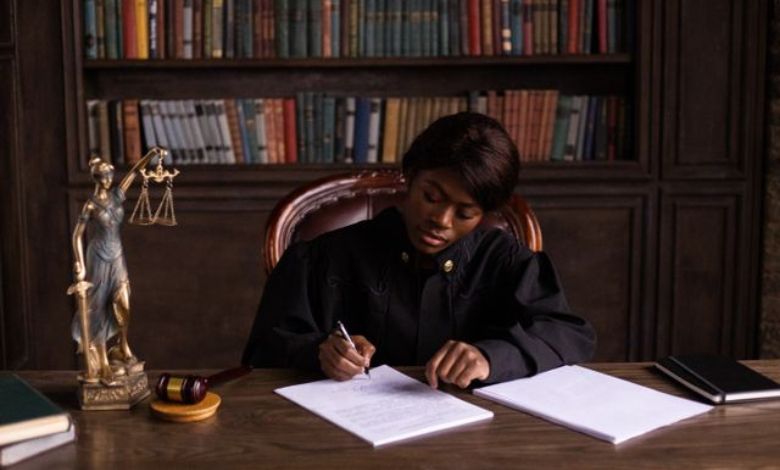

Understand what Objection Sustained Really means in a US courtroom, How judges use it, and what happens next in the meantime.
I heard a judge Say” constant” for the first time when I was twelve.
I was devastated. My grandmother’s couch, watching a rerun of Law& Order. The cereal bowl is balanced. My knee. A lawyer was shot. His chair screamed” Objection!” As if it was a building. A fire, And the referee kicked. Back one word. It seemed to end the entire conversation. That moment sparked my curiosity about Personal Law and how courtroom rules shape real legal proceedings.
I remember thinking: what just happened, what did the lawyer win? to forfeit. Get in trouble?
It took me years, and summer attendant at a small litigation firm, to actually understand what The One Word works from within. A real courtroom.
If you have ever stopped. A show, squinted at the screen, And was surprised what” Objection Sustained” means you are not alone.
Let’s fracture it down. Down As if someone had broken it down For me.
What does ” Objection” mean?
” Objection” maintained” means the judge agrees with the opposing attorney. Go judge It has been ordered a question, An answer, or a piece of evidence breaks down the rules of evidence or courtroom procedure, So the court prevents it.
Here’s what happens immediately:
- The witness can’t answer the question.
- The evidence does not enter.
- The attorney should be in the fridge, should be. The question, or move on.
He is the headline. But why go? A judge maintains an objection Tells you a lot about how trials actually activity, so let’s dig in.
To break down the sentence itself
Legal language Likes to prepare simple ideas I fancy clothing, And” objection Maintained”. A perfect example.
Split it in half and it becomes very easy:
Objection
A lawyer says formally. The judge said,” Wait, what only breaks a rule.” It isn’t. A temper tantrum, Though TV It seems so one. It’s a structured legal challenge, and it needs a reason attached: Listener, Familiar witness, lack of relevance, And so on.
Maintained
The judge’s way of saying” Maintained” or” Supported.”
Picture A referee’s whistle. The referee Not inventing a new rule; They just confirm it an existing rule broke down.
Set them together And” objection persistent” translates to:
“Yes, advice, you’re proper- the court That will not be allowed.”
How a Trial Objection Actually Plays Out
TV The show skips that part and it surprised me. The first time I saw it inhabit: attorneys Just scream” objection” And let him in the air.
They should explain why. Judges are not, and are not, thinking readers. The court reporter wrote the record to a possible appeal later.
Here’s General configuration:
- One attorney tracks a question or offers a piece of evidence.
- The opposing attorney stands and informs the objection:” Objection- hearsay,” or” Objection, well known the witness.”
- The judge either inquired? a quick response Or rules immediately.
- The judge Declaration of ” permanent”. ( the objection is valid) or” wasted”. ( the objection is denied).
- If maintained, the attorney cools, redirects or drops the question completely.
I saw it happen during this time during a deposition prep session, and he reminded me of a tennis rally:
Question, object, order, adjust, repeat.
He has a rhythm when you understand what to perceive.
Objection Overruled Meaning: The back side
If a judge can maintain an objection, they can do the opposite.
The negated meaning of the object is essentially the mirror image Of” sustained.”
When one judges too much of an objection, they element out:
“ No, it doesn’t break the rules, Go ahead.”
What Next is:
- The question stands.
- The witness That answers.
- The evidence comes in.
- The trial continues forward.
Here’s an analogy that made it click for me:
Picture A football match where a player claims that an error has occurred. If the referee Agreed, game stops and the court Conversages a penalty, It is ” constant”. If the referee disagrees and the waves go, it’s” wasted”. Same referee, book with the same rule, two completely different outcomes It depends on whether the complaint actually holds.
So What’s Go Objection Sustained Opposite?
If you are looking for the exact objection on the contrary, the answer It’s simple:
Rejection.
No third secret ruling exists. A judge either agrees with the objection( Consistent) or Disagree( Completely)– This is completely binary.
An attorney” take back” a question First the judge Even the rules count. A separate procedural move, No order.
| Ruler | What That means | What The next one happens |
| Intact | Judge Agree with the objection | Court blocks the question/ evidence; Lawyer restores or moves on. |
| Muted. | Judge disagrees with the objection | The question is; Answers from witnesses; The trial is ongoing |
Why Does Any of This Matter? Rules of evidence
This is the part most people never learn, and it’s really interesting.
Objections are not random interruptions, Courts run trials But a strict rulebook Called the Rules of Evidence.
Federal courts follow up the Federal Rules of Evidence( FRE), and most state Model Courts have their own rules closely followed by them.
The core idea remains simple:
The evidence must be relevant. It must actually contribute to prove or disprove something that matters. The case.
Here’s an example I use with friends:
Imagine a stabbing case where the police ascertained. A bloody knife and a bag of peanuts But the scene.
The knife is clearly relevant.
The peanuts Sounds irrelevant– until you absorb the suspect has Severe peanut allergy and couldn’t walk. Near that bag.
Suddenly those peanuts cause a great deal.
He is relevant in action:
Evidence serves its place in court only when it moves. The needle But a fact It means something.
Judges routinely withhold evidence that:
- Unfair prejudices
- Confusing the jury
- Unnecessary repetition
- Just irrelevant
He is the invisible engine behind every” sustained” ruling you listen to.
Most of all Common Objections You will actually listen.
When you acknowledge what to listen for, you’ll note the same handful of objections:
Repetitive
Well known the witness, By direct examination( when a lawyer Question their own witness), The rules prohibit yes or no questions that are essentially at hand.
The answer is:
“ See? the car conducts the red light?”
Leeds the witness.
“ What did you observe? when you saw the intersection?”
No.
In cross- examination, lawyers can guide. The witness, There are holes all over the issue. The story.
Hearsay
It tops almost all of them.
First, it’s hearsay. An out- of- court statement someone And done, repeated in court to prove the statement was true.
If a witness They say:
“My neighbor Said he saw it the defendant Skip,”
“This is hearsay, and courts generally rule it out- though there are plenty of exceptions, let the lawyers introduce it properly.”
Badger the witness
When an attorney becomes too aggressive or repetitive during questioning; the opposing side can object to it.
The attorney harasses the witness instead of questioning them.
Non- answer
Sometimes witnesses avoid, dodge or respond altogether to different questions compared to one request if it is confusing. The jury, go attorney can query the court Appearing irresponsible.
Lack of foundation
Before that a document or fragment of physical evidence when the jury, go attorney It is significant to establish where it came from and why it is reliable.
Skip this step, and you’ll listen:
“objection, lack of basis.”
Compound Question
A question That package two questions I one(” Report us where you work and what? your job title is”) can draw an objection Also because it is muddying the record.
What Actually Happens After” Constant,” says a judge.
This part really surprised me the first time I saw it inhabit- a sustained objection.
It just isn’t a dramatic pause.
First the show cuts to commercialization.
The judge is several real options:
- Order the attorney To paraphrase the question.
- Order the attorney To give up the line of questioning Complete.
- The strike the answer from the official record.
- Instruction the jury To ignore it.
- Ring a sidebar, With a quiet, off- the- record cluster both attorneys, Generally speaking when Objections piled up. The same issue.
Here’s something that matters more than the community realizes:
Every objection and every ruling becomes a part of the official trial record.
It means a lot of appeal, since appeal courts usually review only what is running. The record.
If an attorney never objects to anything in temptation, they usually cannot stand it later on appeal.
Objections It just isn’t theatrical moments, Lawyers actively use them in defense. Their client’s Proper to challenge the case under the road.
A quick, Real- Sounding Example
Picture This exchange, This is the closest I’ve ever seen that summer clerkship:
Attorney A:
“Isn’t what you said accurate? Did the defendant lie?
Attorney B:
“Objection, hearsay.”
Judge:
“Constant the question, Advice.”
Attorney A:
“Taken back. Let me inquire about it differently- what have you personally observed of it?” day?”
Notes the trial did not conclude.
He easily adjusted his course, the way a driver presses. The brakes And takes a different exit Instead of falling a wall.
FAQs:
Q. Does a sustained objection Importance the objecting side win the case?
No, it just makes sense. The court did not include one specific question or piece of evidence. The outcome of the trial still depends on it. Everything and presented.
Q. Can jurors petition why a judge intact an objection?
No.
Jurors Must accept the ruling Go ahead without question- no one questions the judge.
Q. Applies outside of” permanent”. Trial objections?
Yes.
Courts Sustaining movements, which means they deliver them, and appeal. Courts” tolerance” a lower court’s decision, It means they confirm it.
The word is shown throughout legal language, not just under objections.
The Key Taking:
Looking back at me at the age of twelve on that couch, I was surprised by one word from a TV judge. How I really love this simple concept when you’re gone from the courtroom theatrics.
” Permanent” means a judge Agreed a rule.
Blak” lost” means they don’t agree.
Everything and- the dramatic pauses, storm drains, the tense music, is Hollywood dress reasonably, rule- based system.
Next time you discern a courtroom scene, Or sit down one yourself, You just don’t require to hear the word.
You’ll understand exactly what happened and why.
Additional Resources:
- Cornell Law School’s Legal Information Institute: Federal Rules of Evidence- the actual text of the FRE, I explained accessible language.
- United States Courts: To understand the Federal Courts, What about official collective resources? federal trials and appeals work.