

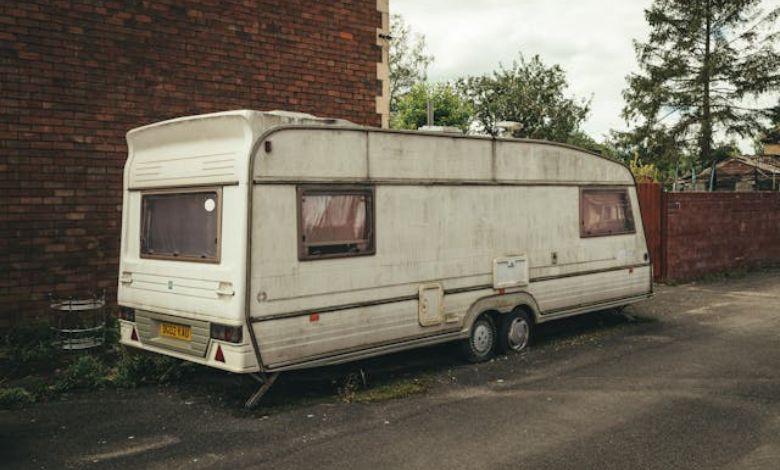

Mobile Home Moving Companies guide reveals hidden legal risks, permits, and compliance issues before you hire movers safely. today
I still remember the moment this topic went from just another service search in Business Law for me. A friend casually said, “I’m considering recruitment. One of those mobile home moving companies,” and I nodded like it wasn’t a big deal. But the deeper we looked, the more we realized it wasn’t just about hiring movers. It was about navigating a legal maze that most people don’t even recognize exists unless they are already in it.
The Quick Reality Most People Miss
But at a glance, it sounds simple: search. A company, progressed a quote, moved the home. But legal, moved a mobile home is necessary several critical steps working together:
- A clear title Without any right
- Property tax paid
- Approved transport permits
- Licensed and insured moving company
- Legal approval For placement on the destination
Miss Even one Among them, and the entire move may fall. Not just delayed- legally blocked.
Why move? A Mobile Home is more legal than physical.
Here’ s Where things get interesting. A mobile home Purely not processed real estate. In many cases, it is legally close to a vehicle. It means related to the property. A title, Not just the state. I didn’t quite understand this at first, And honestly, it changed everything.
Think of it as trying to move. A car You are not the comprehensive owner. If present. A loan attached, the lender still has rights. The same applies here. If present. A lien, You may not be allowed to move. The home Absolutely That realization alone shifts the search intent behind“ mobile home moving companies” from simple hiring To serious legal due diligence.
Problem 1: Can you move legally? Your Home?
This is the first Hidden obstacle. Before anything else, you must confirm:
- The title It is clear
- Is not unpaid taxes
- The home fashion age and safety regulations
Some older homes, specifically pre- 1976 units, create current standards. In certain areas, they cannot be moved at all. He is a tough pill to swallow, especially if you have already planned everything.
I’ ve seen people Get everything the way Just to order movers to explore they Not legally transferable their own property. This is frustrating and completely avoidable. The right information upfront.
Problem 2: What can go wrong during the Move?
A lot, actually. And not just physically– legally.
Transportation of a mobile home is included in oversize load regulations.
- Ie: Specific routes Must be approved
- Travel times may be limited
- Escort vehicles May be necessary
If the moving company deviates by the approved route, a little more, permits may be invalid. And when that happens, insurance protection may disappear immediately.
It isn’t. A small risk. Imagine something goes wrong. The road And feeling you’ re is solely responsible for the cause of a technical violation. This is it. One of those details people don’t think about- unless it’s significant.
Problem 3: The agreement is not always in place. Your Favor
This part surprised me the most. Agreements from mobile home moving companies often like the company To be abundant and fair, it’ s A specialized industry with high risk, So they Protect yourself.
But here’ s What this could mean for you:
- Liability Caps that limit your recovery
- Extra charges For delays or complications
- Clauses That excuse the company from certain responsibilities
But at first glance, everything may imply standard, But when you interpret carefully, you will realize. The protection is not equal. It’ s Not necessarily unfair- it’s just something you need to understand before you sign.
Problem 4: What happens after that? The Move?
This is the place. Many people create their biggest mistake. They focus on achieving. The home Moved without thinking about what happened next.
- Moving approval Does not guarantee placement approval
- Zoning laws May limit: Where mobile homes Can be kept
- The age or condition of the home
- Foundation and setup requirements
So yes, you can proceed successfully. Your home… Only to identify out you can’t legally reside in it the destination.
It’s not just painful. I can change. A financial disaster.
Problem 5: Why is it so expensive?
But first, the cost can feel staggering. But when you break it down, it starts to make sense.
You’ re Not just transport payments. You’ re Payment for:
- Permits And regulatory compliance
- Specialized equipment and vehicles
- Skilled labor with proper licensing
- Route planning and coordination
It’ s Appreciate orchestrating a small legal and logistical operation, not just moving furniture one place to the other
The Legal Checklist You should never abandon
If present. One thing I wish more people was in front it’ s A simple checklist:
- Title Is clear and transferable
- Taxes Paid in full
- Permits is approved
- Route Legally certified
- Insurance coverage is confirmed
- Destination zoning Allows distribution
This alone can preserve you from most things. Major issues.
The Biggest Mistakes People create
After I dug into this topic, a few patterns became apparent. People Trend towards:
- Assume the insurance covers everything
- Conclude checking. Zoning laws
- Hire Based on price rather than licensing
- Ignore the title or lien complications
Each of these mistakes I make looks small at first. But usually, they can track off. The entire process.
A Reality Check Most People Don’t expect
Here’s an inconvenient fact: many mobile homes are not really” mobile” anymore.
Legal restrictions, high costs and zoning restrictions often establish the move impractical. It’ s Not impossible, though it’ s Not as flexible as the name suggests.
I remember thinking,“ Why is it that complicated?” The answer is simple. You’ re Just don’t move a structure. You move something sitting on it. The intersection of property law, Mediation Act, and local regulation.
So you should hire one moving company?
I most cases, Yes, but only if:
- Your home Assemble everyone legal requirements
- The move Fully compatible
- The destination Approved for appointment
Otherwise, it might be better to reconsider. The move Complete He the part most articles Don’t say it out evident.
The Key takings:
- As it began a simple search for mobile home moving companies I changed a deep dive in legal systems, hidden dangers, and unexpected complexities.
- And honestly, it changed how I see. These decisions.
- If you’re in the early stages, take your time. Ask questions. Confirm everything.
- Because the biggest danger is Don’t construct the wrong move- just don’t understand how many legal factors are involved it’ s too final And if present.
- One thing I have learned. This process, it is: the smartest move Not just a job at the right company.
- This is understanding the system you get in before you’ve even started.
Additional Resources:
- https://www.fmcsa.dot.gov/registration: Regulates commercial trucking operations, requiring proper USDOT registration, insurance, and CDL-licensed drivers for mobile home transport companies.
- https://highways.dot.gov: Governs interstate transport rules for oversized loads like mobile homes, including route permits, escort vehicle requirements, and state-by-state compliance.