

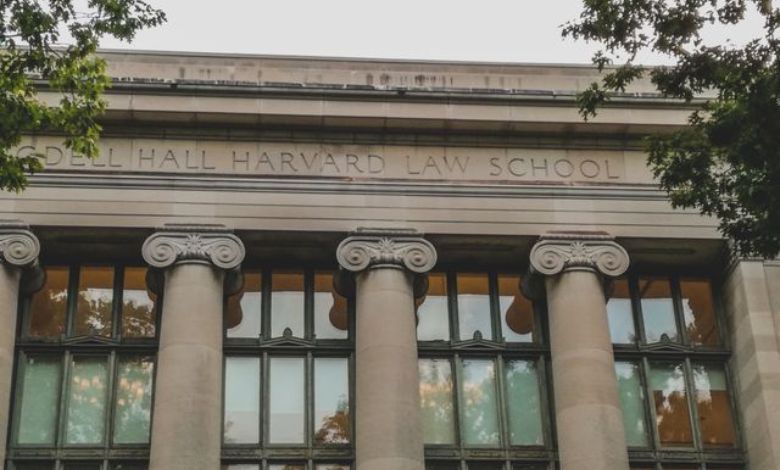

Overview Of the six HBCU law schools, Covers admission, teaching, ABA approval, Scholarships, clinics, and career paths.
Choosing a law school is one of the biggest Personal Law decisions. Who will value you? A future attorney. Ratings are essential, but they’re not everything. Many students wish for strong academics, practical legal training, supportive faculty, and school engagement, public service and access for justice.
That is why many applicants consider HBCU law schools.
Historically speaking Black Colleges and Universities( HBCUs) have played an important role In increasing access to higher education to Black Americans. It’s more than that though. 100 HBCUs In the United States, only six Currently ABA accredited. Law schools.
These institutions Education is a given generation of lawyers, judges, government officials, Civil rights attorneys, prosecutors, legislators and more public- interest attorneys.
If you are looking for the best HBCU law school, Comparison admissions requirements, Research or explore teaching career opportunities, This guide explains what you need to know.
What are HBCU Law Schools?
HBCU law schools are law schools Operation of Historically Black Colleges and Universities. HBCUs were established in periods then racial discrimination and segregation strictly limited Black Americans’ access To many colleges and universities.
Today, HBCUs law schools Take up students from diverse backgrounds Under storage institutional missions which often emphasizes:
- Access to legal education
- Diversity within the legal profession
- Public service
- Leadership
- Community engagement
- Social justice
- Practical legal education
Graduates work all the way through the legal profession, including private practice, government, public defense, indictment, corporate law, civil rights, nonprofit organizations, The Academy, and judicial clerkships.
How Many HBCU Law Schools Are There?
Is currently available. Six ABA Accredited HBCU law schools:
- Howard University School of Law— Washington, DC
- Thurgood Marshall School of Law But Texas Southern University— Houston, Texas
- Florida A& M University College of Law— Orlando, Florida
- Southern University Law Center— Baton Rouge, Louisiana
- North Carolina Central University School of Law— Durham, North Carolina
- University of the District of Columbia David Oh Clarke School of the law- Washington, D. C.
The ABA’s Accredited Law School Lists and Standards 509 Deliver report authoritative information approx approval status, Enrollment, teaching, registration and other disclosures.
HBCU Law Schools But a Glance
| Law School | Location | Lay the Foundation for | In a Way |
| Howard University School of Law | Washington, D. C. | 1869 | Private |
| Thurgood Marshall School of Law | Houston, Texas | 1947 | Public |
| Florida A& M University College of Law | Orlando, Florida | 1949; Re- established 2002 | Public |
| Southern University Law Center | Baton Rouge, Louisiana | 1947 | Public |
| North Carolina Central University School of Law | Durham, North Carolina | 1939 | Public |
| UDC David Oh Clarke School of the law | Washington, D. C. | 1972 | Public |
All six are currently accredited by the ABA. Law schools.
The 6 HBCU Law Schools
1. Howard University School of Law
Facility: Washington, D. C.
Established: 1869
Type: Private
Howard University School of Law has a long history of educating lawyers And legal scholars as affected American civil Rights and constitutional law. This school was founded in 1947. 1869 And received ABA approval in 1931. His former students are involved. Supreme Court Justice Thurgood Marshall And legal scholar Charles Hamilton Houston.
2025 Admissions Snapshot
| Category | Data |
| Acceptance rate | 24.05% |
| Median LSAT | 156 |
| Median GPA | 3.63 |
| 2025– 26 Instruction | $ 39, 780 |
| Annual fee | $ 1, 632 |
Howard Provides clinical, field placement and experiential learning opportunities. His Washington, D. C., also provides location access. Federal agencies, courts, non- profit organizations, Public interest organisations, and law Companies
Best for: Civil Bill of Rights, constitutional law, federal government, public policy, law on public interests, and Washington, D. C., opportunities.
2. Thurgood Marshall School of Law
Place: Houston, Texas
Established: 1947
Type: Public
Thurgood Marshall School of Law But Texas Southern University was established in 1947 And is named after. U. S. Supreme Court Justice Thurgood Marshall. The school is ABA- accredited and located in Houston, one of the country’s important legal markets.
2025 Admissions Snapshot
| Category | Data |
| Acceptance rate | 33.12% |
| Residential education | $ 19, 202 |
| Non- resident teaching | $ 26, 331 |
| Annual fee | $ 1, 836 |
The students can develop. Practical skills through trial advocacy, Medical education, external education, moot court, And legal writing.
Best for: Texas practice, trial lawyer, criminal law, Immigration Law, Government and public service.
3. Florida A& M University College of Law
Place: Orlando, Florida
Originally established: 1949
Re- established: 2002
Type: Public
Florida ONE& M University College The law traces its history. A law school Established in 1949. The program was later restarted. Orlando I 2002 And received ABA approval I 2004.
2025 Admissions Snapshot
| Category | Data |
| Acceptance rate | 34.67% |
| Median LSAT | 152 |
| Median GPA | 3.48 |
FAMU Underlines experiential education And the clinic offers opportunities through external activity, trial advocacy, And public- interest programs.
Best for: Florida practice, experiential learning, public service, and community engagement.
4. Southern University Law Center
Place: Baton Rouge, Louisiana
Established: 1947
Type: Public
Southern University Law Center was established in 1947 And that’s its long history to increase access to legal education. The school received ABA approval in 1953 and maintained pushing. Legal education, Professional preparation, and public service.
2025 Admissions Snapshot
| Category | Data |
| Acceptance rate | 56.55% |
| Median LSAT | 147 |
| Median GPA | 3.15 |
| Residential education | $ 11, 338 |
| Non- resident teaching | $ 22, 994 |
Educational opportunities are included. Criminal law, family law, juvenile justice, Older Law, Arbitration, public policy, And public- interest law.
Best for: Louisiana practice, public service, community advocacy, And relatively lower resident tuition.
5. North Carolina Central University School of Law
Place: Durham, North Carolina
Established: 1939
Type: Public
North Carolina Central University School of Law was established in 1939 And that’s its longstanding emphasis On access to justice, public service, And practical legal education. Its location in Durham students I North Carolina’s Research Triangle, home major universities, enterprise, technology companies, And government Institutions The school The offer clinical education, externships, and opportunities In areas such as civil litigation, criminal defense, family law, intellectual property, and technology law.
Best for: North Carolina practice, law on public interests, government, civil litigation, and social impact.
6. The University of District of Columbia David A. Clarke School of Law
Place: Washington, D. C.
Established: 1972
Type: Public
UDC David Oh Clarke School Known to the law its public- interest mission and emphasis But clinical legal education. Though the school was established in 1972, its present ABA approval dates 1998.
2025 Admissions Snapshot
| Category | Data |
| Acceptance rate | 36.98% |
| Median LSAT | 151 |
| Median GPA | 3.28 |
| Residents tuition | $ 12, 438 |
| DC Metro tuition | $ 18, 656 |
| Non- resident tuition | $ 24, 874 |
| Annual fee | $ 1, 000 |
Students get supervision practical experience Immigration, residence, consumer protection, criminal defense, juvenile justice, and community development.
Best for: Public- interest law, Legal aid, civil rights, government service, And clinical legal education.
HBCU Law School Comparison
| School | 2025 Acceptance Rate | Median LSAT | Median GPA |
| Howard | 24.05% | 156 | 3.63 |
| Thurgood Marshall | 33.12% | See current 509 Report | See current 509 Report |
| Florida A& M | 34.67% | 152 | 3.48 |
| South | 56.55% | 147 | 3.15 |
| NCCU | See current 509 Report | See current 509 Report | See current 509 Report |
| UDC | 36.98% | 151 | 3.28 |
The admission figures therefore change every year applicants Should check each school’s latest ABA Standard 509 Reports before application.
HBCU Law School Admissions Requirements
Requirements Different from school, But applicants Generally required:
- A bachelor’s degree
- An accepted law- school admissions Test
- Undergraduate transcripts
- Personal statement
- Letters of recommendation
- Start again.
- Application fee or approved exemptions
- Character and fitness disclosures
Admissions committees can also happen to consider work experience, leadership, community involvement, History of Education, and other application materials.
Not a single LSAT score is necessary for every HBCU law school. Recent median scores vary from substantial to substantial. 140s But in the mid- 1950s a median is not a minimum admission requirement.
Tuition and Cost
Cost is one of the most important factors when you choose a law school.
Howard is the only private institution among six. Second five is public Law schools with different resident and nonresident tuition rates.
Examples Of current tuition Includes:
- Howard:$ 39, 780
- Thurgood Marshall:$ 19, 202 Housing/$ 26, 331 Non- resident
- South:$ 11, 338 resident/$ 22, 994 nonresident
- UDC:$ 12, 438 Housing/$ 18, 656 DC Metro/$ 24, 874 Non- resident
Students Should too consider Accommodation, books, transport, health insurance, Technology, etc personal expenses. The total cost of attendance can be significantly higher than tuition alone.
Scholarships and Financial Aid
Scholarships can significantly reduce the cost of law school.
Applicants Research should:
- Merit scholarships
- Require- based financial aid
- Institutional scholarships
- Donor- funded awards
- Public- interest scholarships
- External HBCU scholarships
- Federal student loans
Students It should also be checked again scholarships Are conditional and what? academic requirements should be maintained for renewal.
The Thurgood Marshall College Fund offers scholarship and fellowship opportunities, but eligibility varies. Individual program.
Which HBCU Law School Is the Best?
There is no universal. Best HBCU law school.
The right choice It depends on you:
- Career goals
- Preferred state
- Academic profile
- Budget
- Scholarship The offer
- Desired practice area
- Clinical interests
- Geographic preferences
Howard can be particularly attractive to students Interest in civil rights, federal government, public policy, and Washington, D. C.
Thurgood Marshall may be appropriate for students interested in Texas practice and trial advocacy.
Florida A& M can appeal to students to apply Florida practice and experiential education.
Could be southern. A strong option to students interested in Louisiana practice and public service.
NCCU Can be a good fit to students interested in North Carolina practice, The government, and public- interest law.
UDC may be particularly suitable for students to apply clinical education, legal aid, public- interest law, and government possibilities.
The HBCU Law Schools Classification
Law- school rankings vary accordingly. The organization and methodology Used instead of trusted one classification, applicants should be compared with objective information such as:
- Admissions statistics
- Tuition
- Scholarships
- Employment outcomes
- Bar- passage outcomes
- Cost of attendance
- Clinical opportunities
- Geographic placement
Howard Especially strong historical recognition Because of its influence on Civil rights laws and its prominent alumni. However,” best” and” most respected” are subjective terms and should not be substituted. An individual comparison of schools.
Employment Opportunities
HBCU law graduates work all the strategy through the legal profession, including:
- Private law Companies
- Federal agencies
- State and local government
- Public defenders’ offices
- Prosecutors’ offices
- Corporate legal departments
- Civil rights organizations
- Nonprofits
- Legal aid
- Judicial clerkships
- Academia
Employment outcomes Different from school and graduating class. ABA provides standard employment information. Graduate employment, including a 10- month post- graduation snapshot.
Bar Exam Performance
Bar passage is another important factor when comparing law schools.
Applicants Should check:
- First- time bar passage Prices
- Ultimate bar- admission Prices
- Employment outcomes
- Geographic placement
- Academic support programs
Bar results should also be considered tuition, scholarships, place employment outcomes, and career goals.
ABA- accredited exam law school I do not guarantee automatic admission to practice in every jurisdiction. Each jurisdiction establishes its own licensing and bar- admission requirements.
Advantages of Attending one HBCU Law School
Potential advantages Includes:
- Strong institutional missions
- Diverse learning environments
- Public- service opportunities
- Clinical and experience- based education
- Leadership development
- Community engagement
- Alumni Network
- Government And nonprofit connections
- Opportunities Serving underserved communities
Favor any law school, Every single one HBCU law school It is also factors applicants should be reviewed, I. A tuition, regional employment opportunities, Availability of scholarships, bar outcomes, And specialized course offerings.
How to Choose the Right HBCU Law School
Before you apply, consider:
- Where you require to practice: Regional connections I can be important in the legal profession.
- Total cost: Compare. Tuition, Fees, living expenses, etc expected debt.
- Scholarship: Overview award amounts and renewal requirements.
- Bar outcomes: Compare the first time and ultimate bar- admission Results
- Job: Examine Types and locations of graduate jobs.
- Clinical opportunities: Reconsider the school gives the practical experience you pursue.
- Career goals: select a school which fits. Your intended practice area and professional Plans
FAQs
Q. How many HBCU law schools It exists
Is currently available. Six ABA Accredited HBCU law schools in the United States:
- Howard
- Thurgood Marshall
- Florida A& M
- Southern
- North Carolina Central
- And UDC David O. Clarke.
Q. Which HBCU law school is the best?
It is not the single best school for everyone. Howard It is a particularly strong national and historical identity, but the best choice depends on your career goals, location, economy, academic profile, and preferred practice area.
Q. Are HBCU law schools ABA Accredited?
Yes All six HBCU law schools are currently accredited by the ABA.
Q. Can detached students participate in HBCU law schools?
Yes, HBCU law schools admit students from different racial, ethnic, geographic and educational backgrounds. Applicants must convene the individual school’s admissions requirements.
Q. What LSAT Score required a HBCU law school?
There is no universal minimum. Recent median LSAT scores In many the schools ranging from 147 To 156. Applicants should be considered. Each school’s latest admissions data And consider Instead of focusing on the entire application LSAT scores alone.
Q. Which HBCU law school has the lowest tuition?
Tuition Varies accordingly. Residency and school. South and UDC, For example next of kin notification low resident tuition In comparison with Howard. Applicants should be compared. Total cost of attendance Instead of tuition alone.
The Key Taking
- Is currently available. Six ABA Accredited HBCU law schools in the United States.
- Howard University School of Law I am the oldest six, I established 1869.
- Howard is the only private law school among six.
- Public HBCU law schools usually have different resident and nonresident tuition rates.
- Admissions standards vary significantly between schools.
- ABA Standard 509 reports is an important source To compare listings, tuition, registration, and scholarship information.
- HBCU law graduates pursue a career in private practice, government, public- interest law, civil rights, criminal law, enterprise law, nonprofits, and other legal fields.
- Applicants should be compared cost, scholarships, bar outcomes, employment outcomes, clinical opportunities, and location instead of trusting rankings alone.
- ABA approval I do not guarantee automatic admission to practice in every jurisdiction because each jurisdiction has its own licensing requirements.
Additional Resources
- American Bar Association: Official information on ABA-approved law schools, Standard 509 disclosures, employment outcomes, and bar-passage data.
- Law School Admission Council (LSAC): LSAT registration, law-school application resources, and information about J.D. programs.
- Thurgood Marshall College Fund (TMCF): Scholarship and fellowship opportunities for eligible students at participating HBCUs and professional programs.