

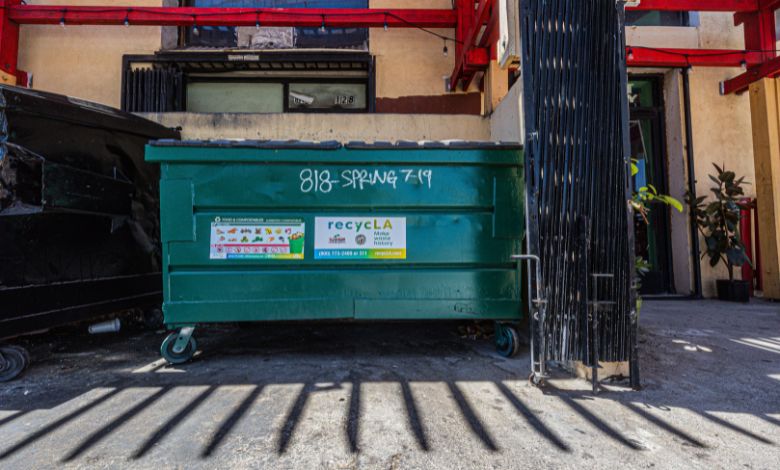

Is dumpster diving legal? Discover the real laws, trespassing risks, and loopholes from years of hands-on dumpster diving experience.
The first time I climbed in. A dumpster behind a grocery store, I was seventeen, Protected and secured a cop Someone had to roll second And slap handcuffs Spoiler on me: No one came. I found a case of dented canned soup, three loaves” Expired” bread that was still good, and a weird sense of accomplishment I didn’t expect.
But that fear never completely went away, and frankly it shouldn’t be, because the answer “Oh” is.” dumpster diving Legal” is a lot. Messier than a basic yes or no.
Over the years, I’ve been diving behind bakeries, big-box stores, apartment complexes, and even a university dining hall (long story). I’ve had a security guard chase me off, a store manager wave me through with a shrug, and one memorable night where a cop just asked what I’d found and admitted his brother-in-law does the same thing. So let’s break down what falls under personal law here , what’s actually legal, what’s a gray area, and what will get you in real trouble , because I’ve run into all three.
Is Dumpster Diving Legal?
Yes, dumpster diving But it is legal at the federal level in the United States. But only this half the story. State laws, city ordinances, and basic trespassing rules can make it limited, or effective. Illegal, Depends entirely on where you reside and whose property you are standing on.
In limited:
- Federal law: allows Trash I left public areas Considered abandoned property.
- State and local law: Prohibit it often or by ordinance prohibiting it.
- Property law: Transcending, not diving itself, causes most of it. Legal trouble.
Let’s find out why.
Where This All Started: California vs. Greenwood
Approx every article But this topic, including this one, traces Back to a single Supreme Court case from 1988: California vs. Greenwood.
Police suspect a man named Billy Greenwood To deal drugs, they asked his local garbage collector to hand over his trash bags. After that he left them. The curb. Inside they found drug paraphernalia, Because of that a search warrant And finally an arrest.
Greenwood’s lawyers claimed it was an illegal search, that police Rifles through his trash violated his Fourth Amendment right against unreasonable searches. The Supreme Court disagreed. Their reasoning was simple: when you place trash outside a public place to collect, you have basically given up. You should expect that animals, cleaning agents, or nosy neighbors can enter it. You lose. Any” reasonable expectation of privacy” moment your garbage hits the curb.
That single ruling Therefore dumpster diving is not a federal crime. This set the precedent that trash I left public spaces Everyone is fair game. I assess this case every time I load bagels. My car: But it’s 11 p. M., It really is the reason I don’t break. Federal law.
Is Dumpster Diving Legal But Public Property?
In general, yes. If a dumpster or trash can sit on a public street, A public footpath or hill the city itself Owner and controller, you stand. Solid legal ground, At least federally. Curbside bins The evening before collecting the classic example. No one is coming to procure you. A chair someone left with a” free” sign Press it.
But” public property” gets tired of most people. Assume: A shopping center parking lot feels public because anyone can go through it, but the property is usually privately owned.
Apartment complex dumpster corrals almost always sit on the property owner’s land, not the city.Even a wide- open lot With no visible gate Technically it could. Private property.
I learned this the hard way behind a strip mall in my twenties. I assumed. The lot was public because there was no gate and it wasn’t. Sign in sight. It turns out the property management company had every right to inquire with me to depart, and they did. Flashlight in hand, At least he was polite about it.
The Real Complication: Private property and trespass
Here’s That thing when no one tells you first Be curious about dumpster Diving: the diving itself Generally not the legal problem. To now the dumpster is Most commercial dumpsters, behind grocery stores, restaurant, retail chains, Bakeries, sit down private property.
If you go to that property without permission, especially“ no Trespassing” sign, a locked access, or a fence wall, you may encounter criminal trespassing charges. It doesn’t matter if the trash itself is considered ” abandoned”. Under the Greenwood ruling.
If you had to jump a fence, select a lock, or ignore the sign posted to attain it, you’re in the wrong place. Different legal categories.
I monitor. One rule Now, later one too many close calls: If I have to consider twice about whether I’m allowed to be somewhere, I’m probably not. Fences, locks, gates, etc security cameras with obvious signage Everyone is your cue To go away, never mind. The trash looks good.
Is Dumpster Diving Legal in the US? It depends. Your Zip Code
Here’s” has an honest, slightly disturbing answer. Dumpster diving is legal in the US” Overall: it depends Proper where you inhabit. There is not a single national rule beyond the baseline federal allowance from Greenwood.
States, counties and esp cities layer but their own limitations top of it, And those restrictions are wildly different.
Cities With comprehensive restraint
Some cities Restriction the practice In its entirety:
Sacramento, California
Cleveland, Ohio
Wood River, Illinois, allegedly with fines$ 750 For breach
There is no pocket money to grab some day- old donuts.
” Ownership of Waste” Laws
Many municipal codes also include an ownership- of- waste provision. Once your trash I’m going to a bin, something cities consider legal the property of the city or its contracted waste hauler.
Under this logic, extracting items out of the bin It’s not just cleaning, it’s technical. A form of theft in the eyes of that local code. It sounds dramatic. A bag of stale bagels, but that’s how it is the law. I read certain places.
Timeframe- based restrictions
Some areas take it a softer approach and just limit the timeframe, allowing diving under. Daylight hours but not after dark.
Bottom line: check your specific city or county sanitation code before constructing a habit of it. ” Is Dumpster Diving Legal” has a real fifty plus. Different answers depend on the state, And often different answers city Inside the city the same state.
Charges That Can Sneak Up on you
Even in cities where it isn’t. Explicit scavenging ban, you may still experience problems with attachments. The dive instead of the dive itself.
I saw it happen. A friend who left a total mess behind a bakery, bags Cracked commence, litter strewn. The parking lot. The store called him in and he was cited for littering, not diving.
Remember: Litter to leave a mess or scattering trash However, you may be fined if the diving itself was legal.
Disorderly conduct.
To block a sidewalk, to make noise late at night, or when you refuse to withdraw an employee or officer, I can change a misdemeanor charge.
Property damage or vandalism.
To minimize a lock, to interrupt a dumpster lid, or harmful? an enclosure Must enter a separate, More serious offense
None of these charges is about the trash itself. They’re about how you behave when you approach it, and that’s something you have more control over than that. The legal gray areas.
How Check Legitimacy before you Dive Somewhere New
When I’m inside a new city, I don’t use it anymore. A few minutes of research Saves a lot of headaches:
Find out. Your city or county’s municipal code For terms such as “exclusion”,”waste ownership,” or” solid waste ordinance.” Most of it is publicly posted online.
Find clues posted on the location,” No Trespassing,” ” No Dumpster Diving,” or hours- of- access notices.
Check If the property Is fenced, gated or locked. If it is, then it is. Your answer regardless of what the city code They declare
Ask directly when in doubt. I’ve had better luck. More than expected is just asking a store manager. Some participants don’t really mind, especially with supplies that are going to be thrown away anyway.
The ground Rules I live After years
By doing so, these habits put me out trouble far more than any legal technicality do:
- Never violate the past. A locked gate Or a fence, whatever good the find looks.
- Dive in daylight or well- lit hours. Hours when possible, It is safer and less suspicious- looking.
- Clean up after yourself. Let it be the area better than you found it.
- If you abandon immediately. An employee or officer asks you. To discuss your Fourth Amendment But rights 2 a. M. Behind a Trader Joe’s has never Once things went well for some.
- Check Local laws before dumpster diving a regular habit in a new area.
Often Asked Questions
Can you be arrested for dumpster diving?
Diving rarely does. Alone leads to an arrest, but you can be arrested. A citation to related offenses such as trespassing, especially if you enter through a fence or locked private property.
Is dumpster diving legal at night?
It depends on your city. Some municipalities have bans on cleaning. Daylight hours Only, while others do not obtain the duration into account at all. Check your local ordinance to be sure.
Is dumpster diving legal Appreciate behind Walmart or Target?
The trash itself can legally be considered” abandoned,” but the dumpster usually sits on private property. Many big box retailers post. No- trespassing signage Or situate the bins inside locked enclosures, This means accessing them without permission. A trespassing issue instead of a dumpster- diving one.
Is dumpster diving legal in every US state?
No single federal law forbids it, though individual states, counties and cities can and can pass. Their own restrictions, so legal status varies from place to place.
Key Takings:
- But the federal level, Yes, thank you a decades- old Supreme Court case about a suspected drug dealer’s garbage.
- But the real answer I reside in is the details: whose property is the dumpster sitting, what? your city’s specific ordinances Declare, and how you behave when you’re out.
- Burglary, littering, etc disorderly conduct cause far more trouble from the act of digging through the trash.
- My advice, After years to do this myself: Treatment it less prefers a legal loophole And more choices a privilege It depends on respect, respect For property, for community and for the letter of Your local law.
- Do it and you will probably have the same experience I’ve done often: nobody bothers you and you just go with it. Something good.
Additional Resources:
- Cornell Law School’s Legal Information Institute summary of California v. Greenwood: the original Supreme Court opinion that set the legal baseline for trash and privacy expectations.
- Freegan.info: a long-running resource on ethical and practical dumpster diving practices, food waste, and community guidelines.