

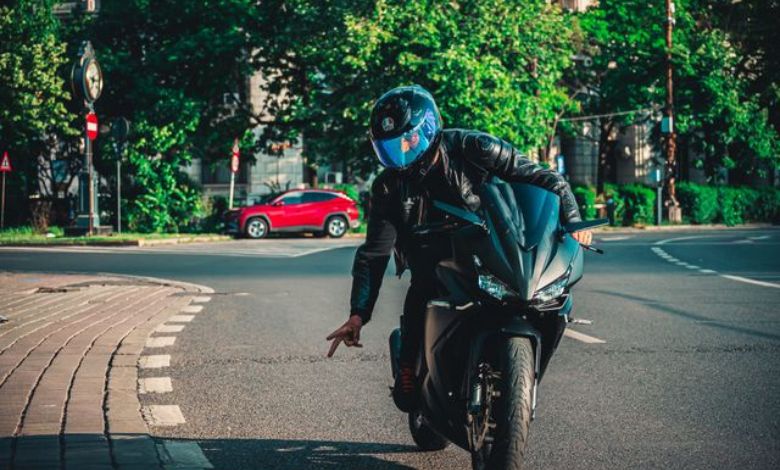

Comprehend where motorcycle crashes I’m around most of the interval in the U. S. And the key intersections and risks every rider.
When people search“ motorcycle crashes most around”, they generally want a real answer, not a vague safety lecture. Do you desire to recognize where? The danger is actually displayed in the U. S. Roads, When this is most likely, and what The riders can do less the risk. That is to say the right question Solicit, because motorcycle crashes are not random. They cluster in many specific places and situations, and the patterns are surprisingly common.
Short trips, famous streets, intersections, and busy urban roads all appear repeatedly. The safety data from the Motorcycle Safety Foundation kept me thinking about it as I considered the broader implications, including how Personal Law often comes into play after these incidents. But first, it is elementary to assume the biggest danger must be high-speed highways. The story, however, is more important than that. Many accidents happen on routes riders recognize, during short errands, and in places where another driver just can’t see the motorcycle. It is therefore timely that this topic is considered very important: the risks often hide inside everyday riding, making awareness of safety and Personal Law matters equally essential. (Motorcycle Safety Foundation)
The Quick Answer
If you desire the plain- English version, here it is: motorcycle crashes Mostly around intersections, City and suburban roads, and short everyday trips conclude to home. The Motorcycle Safety Foundation They assert most crashes happen on short trips of less than five miles, only a few minutes after startup. The National Safety Council reported that in 2024, For the most part motorcyclist fatalities Happened on urban roads.
That combination tells a clear story: Danger often hits home. Traffic riders Perceive all the time. ( Motorcycle Safety Foundation)
Why Intersections Are a Big Problem
Intersections is one Most of all important places Focus while discussing motorcycle crashes Which is mostly around. They are the classic conflict point between motorcycles and larger vehicles. MSF notes that most motorcycle- to- car collisions occur at this time. Intersections, And a common scenario is a car Turn left a rider’ s path. NHTSA also highlights that many multi- vehicle motorcycle crashes happen because other drivers don’t recognize the motorcycle or misjudge its approach.
( Motorcycle Safety Foundation) That is why left- turn crashes are like that a major concern. A rider can. Everything is right, retain a steady line, ride at a normal speed, and still get caught. A driver Which turns too preceding or acts too late. This is a simple mistake with serious consequences. The motorcycle is minor, the closing distance is fast, and the rider It’s a lot of room to produce a mistake( Motorcycle Safety Foundation)
The safest mindset But an intersection No. ” I have.” the right of way, So I’m fine.” It’s“ I have to assume no one else can see me.” At one mental shift everything changes. Riders Those who brake quickly, look to turn the wheels, and hold. An escape path in mind Allocates yourself a better chance If one reacts to another vehicle doing a bad move. ( Motorcycle Safety Foundation)
Why Do Urban and Suburban Roads Appear So Often?
There are urban and suburban roads. Another major answer To the search phrase motorcycle crashes happens mostly around. The National Safety Council They express motorcycles Calculate for 16.2% Of all traffic fatalities I 2024 Though they Just made 3% Of registered vehicles, And it also reports most motorcyclist fatalities Happened on urban roads. It doesn’t mean that. City riding Unsafe by default, but it makes sense. City traffic creates a lot of risk exposure. ( Injury facts)
City streets are filled with moving parts: Cars changing lanes, buses driving in and out, delivery vehicles, sudden stops, pedestrian restrictions, and drivers Those who are in a hurry or in a hurry. A motorcycle can disappear if the rider does not actively control visibility. MSF and NHTSA both stress visibility as a core safety issue, because motorcycles are minimal and accessible to other drivers to ignore. ( Motorcycle Safety Foundation)
I think city riding appreciates passing a crowded hallway with your arms full. You can do it, but you have to be alert, you have to hold. Your space, And expect sudden movement from the people around you. That is to assert the reality of urban motorcycle travel. Risk is not always speed. Often this is a mess, confusion and other people construct quick decisions. ( Motorcycle Safety Foundation)
Why Short Trips Near Home are Very Dangerous
This is one of all useful facts in the entire discussion. Says Doctors Without Borders most crashes It happens on short trips, less than five miles long, And only a few minutes After startup. This means there are a lot of crashes. The kind of ride riders just think about: a quick store run, a journey to a nearby job, or a short ride through familiar streets. ( Motorcycle Safety Foundation)
That detail matters because short trips can construct a false sense of safety. Riders can skip. Full gear, Drive a little looser, or terminate scanning hard because the road Feels normal. Familiarity can be dangerous. When the brain thinks:“ I realize this road,” attention often slips to the point where one slips into anxiety. That is to assert one The reason the phrase motorcycle crashes Mostly around msf Fits the discussion very beneficial MSF Continues to point the same overlooked pattern: Everyday travel is not only less risky they are short( Motorcycle Safety Foundation)
Highways are Still Dangerous a Different Way
Highways and freeways can feel safe as the traffic is intensive. Predictable directions And there are fewer intersections. But they now take serious risks to riders. The main hazards Divert conflicts to lane change, blind spots, high speed vehicles, and road debris. NHTSA provides advice. Riders To expose yourself and avoid riding in places where they are hidden from other drivers. Doctors Without Borders has also warned. Blind spots and observe very closely. Behind larger vehicles.
( Motorcycle Safety Foundation) But on the highway, everything happens quickly. That is to declare the difference. A lane flow or sudden merge can depart from“ minor inconvenience” To“ major crash” in a second. Motorcycles have maneuverability, but they are not the physical protection of cars. So even when the road looks launched, riders still need a defensive buffer. ( Motorcycle Safety Foundation)
Rural Roads Can Establish Fun for Riders Also
Rural roads often look peaceful, natural and beautiful. Less stressful from city traffic. This can be misleading. The danger But rural roads Often comes from blind curves, uneven floor, poor lighting, Gravel, wildlife and slack emergency response If a crash happens. The road may feel calm, but calm is not safe. ( Motorcycle Safety Foundation)
This is one of those places where a rider’ s confidence can continue down the road. A beautiful route can still hide. A sharp turn or a patch of loose surface that sends a bike Sliding Riders Should be gradual at first on rural roads, Especially at night or at night in unfamiliar areas, Because there remains a surprise. Little margin for extraction. ( Motorcycle Safety Foundation)
Parking Lots and Driveways
Parking lots and driveways It also has meaning Parking lots and driveways Might not resonate dramatically, but they belong to any serious article approx motorcycle crashes Which is mostly around. Low speed places are full of conflicts, poor sight lines, rear- wheel drive vehicles, and drivers who don’t wait for a motorcycle lot to be complete for riders. Underestimate these spaces Because the speeds are smaller The problem That is, reduced- speed crashes can still knock. A rider Above, needle a bike, or trigger a serious injury. ( Motorcycle Safety Foundation)
This is a bit appreciated slipping in the kitchen. The room is familiar. The pace It’s lazy, and that’s why people get careless. Driveways and parking lots are the same way. There is no danger. The speed. That was a surprise. ( Motorcycle Safety Foundation)
What is the Primary Cause of Motorcycle Crashes?
This is the question readers often really mean when they find out about crash locations. The honest answer is no. Single cause, but it is a clear leading pattern. In many multi- vehicle crashes, The other driver is not visible to the motorcycle, Fails to achieve, or turns left. The rider’ s path. NHTSA stresses that all the time. Visibility and right- of- way Disputes, and MSF highlights intersections And left- turn crashes Seam major danger points. ( Motorcycle Safety Foundation)
Speed and alcohol also play a role. A major role is severe crashes. NHTSA still says drunk driving. A major safety issue But U. S. Roads, And it shows 40% Motorcyclists died in collision with one vehicle 2024 He was disabled by alcohol. The speed also increases. The force of impact and shortening reaction time, which is a mistake It is very difficult to recover from. ( Injury Facts)
So if you require a direct answer to What is the primary cause of motorcycle crashes, The best summary is: many crashes begin with another driver failing to notice or judge properly the motorcycle, specifically intersections, and that danger gets much worse when speed, distractions or alcohol are added. The mix. ( Motorcycle Safety Foundation)
When a Motorcycle Crashes Most Likely
Time matters as much as location. NHTSA It has been reported for a long phase motorcycle fatal And injury crashes I’m ordinary in the afternoon and evening, Specifically weekends. Lines with it common sense: More traffic, more fatigue, more social driving, And more chances To release the judgement. ( Injury Facts)
The practical takeaway is fundamental. A rider should be extra alert during weekend Tours, final afternoon traffic, and evening commutes. They are not. The moments to relax or assume the scan of other drivers has full attention. They are the moments to ride like the next driver can do the unexpected. ( Injury facts)
What Riders Can Do to Reduce the Risk
The good news is that safety It’s not just about warning signs. It’s real habits that support it. MSF and NHTSA both recommend visibility, proper gear, Calm riding, and trained riding skills. Helmets the example too. They state helmets can cut the number and severity of head and neck injuries But lower speeds, And helmeted riders are more likely to survive. Head injuries compared to non- users one. ( Motorcycle Safety Foundation)
Here is the practical version:
Like on a trip other drivers can’t perceive you.
Slow down before crossing, not after.
Stay away blind spots.
Use your headlight And reflective gear.
Uphold extra space about your bike.
Never drive limited.
Take rider training seriously( Motorcycle Safety Foundation)
Those habits Don’t layer riding boring. They make riding survivable. And he is. A meaningful difference.
The Key Taking:
- The best answer is not one road type, A city, or one exact mile marker.
- In the United States, Most motorcycle accidents happen near intersections, city and suburban roads.
- Short trips terminate at home, and situations where the vision breaks down.
- Highways, rural roads, parking lots, and driveways are also crucial; the biggest pattern remains: where motorcycles are most vulnerable.
- Other road users must notice immediately and react appropriately. ( Motorcycle Safety Foundation)
- That is why the safest rider is not the fastest one or most confident? One.
- This is one who anticipates mistakes, scans quickly, stays visible, and treats ordinary roads with respect. But a motorcycle, Common is where danger lurks.
Additional Resources:
- Motorcycle Safety Foundation (MSF) – Motorcycle Operator Manual: Useful for crash patterns, visibility tips, short-trip risk, and defensive riding basics.
- NHTSA – Motorcycle Safety: Good for federal safety guidance on helmets, visibility, and sharing the road.
- National Safety Council – Motorcycles Injury Facts: Helpful for current U.S. crash and fatality trends, including urban-road data.