

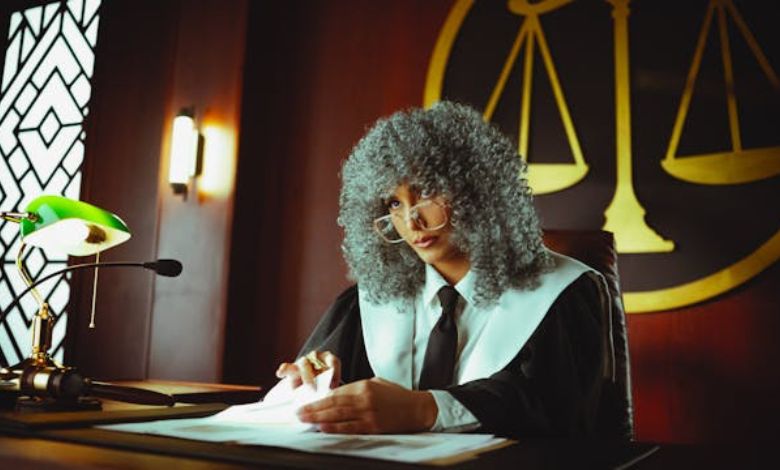

Why Was Personal Injury Court Canceled? Explore the real legal reasons behind its cancellation and loss of courtroom credibility.
I still remember. The first time I was watching a TV courtroom show, Legal News, alone late at night the judge seemed confident, the arguments moved fast, and every case ended up with a dramatic ruling First the next commercial break. It felt interesting and surprisingly believable.
Years later, when Personal Injury Court Disappeared quietly on television, I found myself searching for the exact phrase“ Why Was Personal Injury Court Canceled” because if anyone felt the disappearance felt suspicious. The deeper I investigated, the more I understood. Most viewers just weren’t curious about the ranking. They asked what the show had lost its credibility.
The Official Explanation Behind Cancellation
But at first glance, the answer seems fundamental.
Available reports Recommend the series Ended during a period of television restructuring, Production changes and transfers entertainment priorities during the pandemic era. Not much. Verified evidence to prove the show was canceled due to a major lawsuit, Criminal investigation, or confirmed legal scandal.
Nevertheless audiences keep searching for“ why was that. Personal injury court cancel” years After the show Disappeared, which is deeply revealing. Public trust and courtroom entertainment.
The Authenticity Problem
The biggest issue is our confusion over authenticity.
Many viewers assumed the courtroom proceedings was real because:
- The set It looked official
- The legal terminology It seemed convincing
- The emotional testimony Seemed authentic
Actual, the show It was reportedly heavily dependent on:
- Dramatic scenarios
- Reenactments
- Actors Instead of real litigants
- Storytelling based on entertainment
That distinction is very important from a legal perspective.
Traditional courtroom television Programs often work. Arbitration agreements. Participants voluntarily agree to consent. A television Judge to solve an actual dispute outside the normal court system. Although producers edit. The footage for fun, the disagreements themselves are usually real.
Personal Injury Court seemed diverse because it focused more on dramaturgy. Authentic legal procedure. Once viewers started exploring that difference, suspicions grew quickly.
I remember reading. Online discussions where people Discussion:
- About the injuries was real
- About the rulings took away legal authority
- About the judge Represented an actual courtroom official
Those conversations fascinated me because they strongly exposed audiences to the courtroom image of honesty. Society teaches us that courts are symbols of truth, fairness, and accountability. When a television show Rebuilding that environment, What viewers naturally trust. They Perceive Why Viewers Became Suspicious.
That psychological trust is powerful.
It also explains Why Was Personal Injury Court Canceled” often overlaps with related phrases such as:
- Our Personal Injury Court fake?
- What did the show acquire?
- Are our cases real?
- Are the judges legitimate?
- What viewers discover the truth?
Searchers usually don’t recognize entertainment gossip alone. They are investigating the legality. They Desire to understand about? the program Transcendence a line Between dramatic storytelling and misleading legal presentation.
The Difference Between TV Court and Real Litigation
Another important factor: How is it included? courtroom television Shapes unrealistic expectations approx real personal injury litigation.
Actual injury cases rarely come up. Fifteen minutes with dramatic confessions and immediate rulings. Actual cases include:
- Insurance negotiations
- Medical evidence
- Depositions
- Procedural hearings
- Settlement conferences
- Endless paperwork
Some disputes continue for years before you arrive at a resolution.
I learned this lesson when you helped a friend research a local injury claim many years ago. Television had conditioned us both to expect quick answers. Emotional courtroom speeches. Instead, the real process felt slow, technical and boring.
Attorneys cost weeks gathering records. Insurance companies have repeatedly delayed responses. Nothing Similarity the fast- moving television version of justice We grew up watching.
Authenticity Fatigue and Audience Trust
That gap between entertainment and reality may have damaged the show’ s long- term credibility.
Legally notified. Viewers Can quickly identify:
- Procedural shortcuts
- Unrealistic storytelling patterns
- Exaggerated emotional reactions
- Highly compressed timelines
Casual viewers finally realized these issues. As well as a bar where enough people Initiate questioning the authenticity, a courtroom shows the loser the illusion It does not be compelling.
Media analysts sometimes describe this problem as Seam authenticity fatigue. The audience stops being emotionally invested. A program once they encounter is manipulated by overly scripted drama.
It’s like exploring. A magician performs a favorite trick. Mysteries disappear, and the excitement ends with it.
That was it actually a lawsuit or a legal scandal?
Nevertheless, separate speculation and verified evidence remains important.
No major public lawsuit is definitely linked to the cancellation of Personal Injury Court. Online rumors often travel faster than facts, especially when legal themes are involved.
Some viewers Automatic duty a courtroom program must have met legal trouble If it suddenly disappears. But the reduction in engagement, production costs, and changed viewer habits can complete a series without any hidden scandal.
Why Public Perception Matters
Nevertheless, perception is important in entertainment.
Modern audiences are increasingly skeptical of reality television. People actively investigate whether usage shows:
- Actors
- Scripted Clash
- Staged emotional moments
- Manufactured drama
Viewers today expect transparency about what is authentic and what is just for entertainment. When those boundaries fade, confidence fades quickly.
That erosion of trust helps explain why “personal injury court Cancelled” will remain so. A popular search phrase. The keyword reflects. Public suspicion that legal authenticity problems I cooperated the show’ s decline, Although not explosive controversy Officially confirmed.
In many ways, the search speaks for itself. A larger story about how audiences watch Justice on TV.
A Broader Shift I Audience Expectations
Looking back now, I assess. The disappearance of the show is a symbol of a broader cultural shift.
People no longer passively accept courtroom entertainment but face value. He:
- Research production methods
- Question legal realism
- Compare television drama against actual civil procedure
- Investigate. Authenticity claims
Viewers require authenticity, especially when a program presents itself. A legal framework.
The Psychological Side of Courtroom Television
One overlooked aspect of the debate is consumer psychology.
When people watch medical dramas, they usually understand the stories are imaginary. Courtroom television works differently due to legal settings Naturally means authenticity. The robes, The witness stands, and formal language produce subconscious trust.
Viewers felt they were observing something educational, even when the production was mainly entertainment. That emotional response bar can be complicated for audiences to discover reenactments or script scenarios behind the scenes.
I experimented. This reaction to myself after watching old clips from the show during my research. Some moments that once felt convincing suddenly appeared and were carefully edited for them. Emotional effect.
He reminded me of reality competition programs for the participants who appear spontaneously. Viewers Notes repeated patterns And dramatic manipulation. The entertainment value may still be there, though the sense of realism It weakens In the courtroom programming, tape that realism Particularly risky because the entire format depends on:
- Credibility
- Fairness
- Emotional authenticity
- Audience trust
That continuing tension between entertainment and authenticity explains why the cancellation still interests viewers today. People don’t just investigate. A series. They discover how the media Law affects justice, and truth.
The Key Takings:
- So, what is the most? A balanced conclusion?
- Personal Injury Court was probably canceled due to broader industry restructuring And decadent audience engagement Instead of one catastrophic legal scandal.
- However skepticism surrounding courtroom realism and the dramatic storytelling may have been weakened. Audience trust with time.
- The series did not fall due to viewers exposing a secret conspiracy.
- Instead, it slowly lost the authenticity that courtroom television depends on survival.
- Irony it may be. The real answer behind“ Why Was Personal Injury Court Canceled” The show created a courtroom atmosphere convincing Enough to attract viewers, But not realistic enough to sustain lasting credibility once audiences He began to query harder questions.
Additional Resources:
- Personal Injury Court – Wikipedia: A neutral, detailed overview of the show explaining its production format, scripted reenactment structure, broadcast history, and why it ended along with other syndicated courtroom programs.
- Personal Injury Court – IMDb: Industry database listing covering cast, production details, episode structure, and viewer metadata showing how the series was categorized as a dramatized court-reenactment TV show rather than a real legal proceeding.