

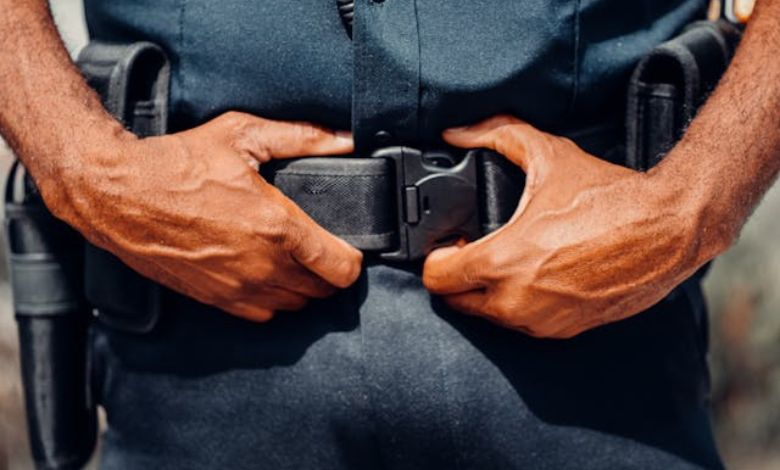

Knife Belt Buckle: Discover legal risks, hidden dangers, and what you must know before owning or carrying this concealed weapon.!
I still remember. The first time I came forward with the idea of a hidden weapon disguised as something ordinary. It wasn’t inside a courtroom or a law book, it was rooted more in Personal Law concerns. It was under a late-night scroll, the kind where curiosity quietly draws you deeper than expected.
A simple image caught my attention: It seemed like something a fashion accessory But something else indicated.
That moment Stay with me because he picked up a question It felt bigger than the object itself– when the design fades, where does legitimacy really begin and end? the line?
The Curiosity Behind the Search
If you are looking for“ knife belt buckle,” Chances are you’re standing. That same space of curiosity. It doesn’t sense that way a dangerous search. It feels practical, maybe even smart. But from a legal perspective, This keyword sits in an incredibly complex and high- risk category. Most people don’t expect it all.
A Quick, Honest Answer
Let’s initiate with what you really want to know.
Is it legal?
I many places, The answer is no– or at least not an unequivocal yes. A knife belt buckle It is often thought of as a hidden or hidden weapon. I some jurisdictions, That alone is enough to rank. It illegal to possess, carry or import.
And here it is.
- The legality may not depend on how you use it
- But only on what it is
That realization alone Changes the entire tone of the search.
Not Just Another Knife
It’s not just why. Another Knife But first glance, It can only seem like another tool. Finally knives themselves is not universally illegal. Many are perfectly legitimate in size, purpose and method. They are taken. But this is where things change.
The defining feature is not here. The blade.
This is it. The disguise.
- When a weapon is hidden inside an everyday object
- Legal systems often interpret this design
- As intentional concealment
And hiding, that is legal reasoning, lifts the weight. It indicates that:
- The possibility Avoid detection
- Resulting in arrests
- Public safety concerns
So instead of being treated as a standard tool, It is drawn into it a different legal category Complete.
That category It is where things are made:
- Far less forgiving
- Much stricter in interpretation
The Concept of Automatic Illegality
One Most of all important ideas Understanding is something called “per illegality”. This sounds technical, but the meaning is simple.
Some objects is illegal in nature.
- You don’t have to misuse them
- You don’t need suspicious behavior
- You don’t even intend to harm
The mere act to retain the item Might be enough to trigger legal consequences.
This is the place Many people Miscalculation.
They Assume that legitimacy depends on behavior. But with some concealed weapons, behavior becomes irrelevant.
- The design Speaks for itself
- At least in the eyes of the law
I remember thinking how strange that was. It challenges The idea This intention is always important. Sometimes it doesn’t.
Design as Evidence of Intent
This brings us to a deeper legal principle which is rarely discussed. Everyday conversations:
Design can convey intent.
A knife I’m hiding a belt buckle is not random. It is designed to remain unnoticed until needed. That feature alone can be interpreted as an attempt Avoid sight, and therefore scrutiny.
From a legal standpoint, It means something.
- Prosecutors or law enforcement may not need to prove your thoughts
- The object itself carries weight
- It becomes a silent argument about intent
And there it is.
The risk Grows quietly.
What Happens in Real Life
Legal theory is one thing. Real- world implementation is another.
In practice, concealed weapons attract more attention from law enforcement. Why not? they What is, but for what reason they Representation Officers They are trained to quickly assess danger.
- Anything that looks harmless but has hidden danger is treated carefully
- Frequent searches may increase
- Immediate confiscation can happen
- Legal escalation is possible during routine encounters
Consider it this way:
- A regular knife → its presence is visible and understood
- A hidden weapon → creates uncertainty
And uncertainty, especially in high- stakes environments, often leads to stricter responses.
The Patchwork Problem
Another layer of complexity comes from location. Laws are not universal. They Sometimes the areas change dramatically.
- An item allowed in one place
- Can be banned a short distance away
Crossing borders, whether between:
- Cities
- States
- Countries
Can instantly change legal status.
This creates what I like to call the “patchwork net.”
- You may feel confident locally
- But that knowledge doesn’t always travel
For someone researching this topic, this uncertainty becomes part of the concern.
It’s not just about legality.
It’s about consistency.
The Hidden Risk of Buying Online
It is also a quieter question Who often sits Beneath the surface:
Can you buy it online without problems?
This is where things become even more layered.
- Some laws regulate possession
- Others regulate import, sale, and shipping
This means:
- A simple purchase can create legal exposure
- Even before the item arrives
Factors involved include:
- Customs inspections
- Shipping restrictions
- Seller liabilities
What seems like a straightforward transaction can quickly become complex.
And yet, many people don’t consider this, until it’s too late.
A Completely Different Category
It helps to compare it with ordinary knives.
- Standard knives → judged by blade length or intended use
- Concealed devices → judged by their ability to deceive
That difference is subtle but powerful.
It shifts the legal conversation:
- From function
- To perception
And in law, perception often carries as much weight as fact.
The Psychological Side of the Search
There is also a human factor worth acknowledging.
People naturally gravitate toward tools that offer:
- Discretion
- Compactness
- Easy access
These qualities can feel:
- Efficient
- Even comforting
But here’s the irony:
- The same invisibility that makes it appealing
- Is what invites greater legal scrutiny
The law tends to favor transparency over concealment, especially with potentially harmful objects.
This mismatch between:
- User intention
- Legal interpretation
Is where confusion begins.
So What Is the Real Question?
After exploring all these layers, the search intent becomes clearer.
It’s not just about legality.
It’s about understanding:
- Why certain objects cross a line
- How design influences legal judgment
- What consequences may arise earlier than expected
And more than anything:
It’s about avoiding a mistake that doesn’t seem like one at first glance.
The Key Takings:
If present. One thing I have learned from exploring such topics, it’s That legitimacy is rarely just about rules.
It’s about:
- Interpretation
- Context
- Perception
A knife belt buckle can seem like a clever idea. But legally, it exists in a category where:
- Design has meaning
- Meaning has consequences
So if you find yourself here, asking questions and digging deeper, that’s a good sign.
This is awareness.
And in areas like this, awareness is exactly what keeps curiosity from turning into something far more serious.
Additional Resources:
- Are Belt Buckle Knives Legal to Carry and Own?: Short explanation of how belt buckle knives are classified as disguised weapons, highlighting legal risks, concealment issues, and how laws vary by state and intent.
- California Penal Code § 20410 – Belt Buckle Knives Law Explained: Authoritative breakdown of a strict law that criminalizes possession, sale, or import of belt buckle knives, with potential misdemeanor or felony penalties.