

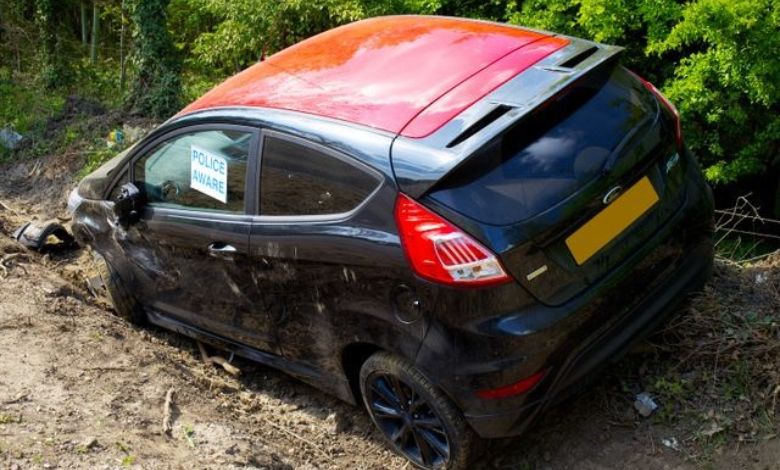

Learn how to file a Hit and Run Insurance Claim, understand coverage, meet deadlines, and get compensation for damages and injuries.
A hit-and-run can lead to repair costs, medical bills and a missing driver. There is potential for compensation depending upon what is covered in your insurance policy; what is required by law in your state; and if you sustained vehicle damage, injury or both under Personal Law.
Obtain a Police Report as Necessary and If Applicable
When a driver is involved in an accident and then leaves the scene, you will need to file a claim for payment under this form of coverage. These types of accidents can include but are not limited to, both moving and parked vehicles, pedestrians and cyclists. The motorist can be unknown to you, or you could have some identifying information such as a license plate number, vehicle description or witness statements. Generally speaking, liability insurance provides protection against losses caused by you to other people and does not cover costs associated with repairing your own vehicle.
Which Coverage May Help?
- Collision: May pay for damage to the insured vehicle caused by most accidents (including many hit and run), subject to the terms of your policy and a deductible. If the insurer recovers any funds from the at-fault driver, you may receive part or all of your deductible back. The value of a totaled vehicle is usually based upon the actual cash value of the vehicle prior to the accident; not the cost to replace the vehicle.
- Where permitted by state laws and your policy terms, UMBI provides coverage for qualifying injuries caused by an uninsured motorist or a hit-and-run motorist. This coverage can include medical bills, lost earnings and other covered damages. There are typically reporting, evidence, contact, and/or identification requirements that must be met in order to receive benefits.
- When available, uninsured motorist property damage (UMPD) will cover auto damage caused by an uninsured driver. There are different types of eligibility, deductibles, limits, and evidence requirements. Many states require you to have a police report or some type of proof as to which car hit yours, therefore UMPD will not always be able to provide coverage for every parked car incident.
- PIP & MEDPAY: Personal Injury Protection (PIP) typically covers medical bills, and potentially lost wages or other necessary services. MEDPAY, or Medical Payments Coverage, usually covers a portion of an injured individual’s specific medical and/or funeral expenses resulting from a covered accident. You should consult your policy regarding the eligibility criteria for MEDPAY benefits, the maximum amount that may be paid out under the MEDPAY benefit, the deductible required before benefits will begin to accrue, and the interaction of your automobile insurance policy with your health care coverage.
What to Do After the Accident
- Be safe; step away from the street, examine your body for injuries, contact emergency services if needed and do not attempt to stop the other driver.
- Immediately report the event. Report the incident to the police or other appropriate authorities right away. Provide the date and time of the incident, the location where it took place, a description of the vehicle, the direction in which the vehicle was traveling at the time of the event, and obtain a report number. Many states have laws or policies that require you to report such incidents. You are not guaranteed coverage just because you report an occurrence.
- Document evidence. Take photos of the damage, debris, and the scene. You are not guaranteed coverage just because you report an occurrence. Have anyone with a nearby camera save their recordings. Save your medical bills, receipts, and repair estimates.
- Inform your insurance company of the accident. Give details about how the other driver left the scene and any report numbers you have. Inquire as to what type of coverage you may have, what types of evidence will be required to file a claim, if you will be required to pay a deductible, and what timeframes apply to filing claims.
- Record damage. After an accident, check the car according to the instructions and make any necessary repairs. Take pictures of the vehicle prior to having it repaired. Save all receipts from the repair process. Seek prompt medical attention, as well as keeping records of any treatment received, and work missed due to the injury.
Filing, Deadlines, and Denials
Provide details about the accident and the police to initiate a claim. The first thing to do when checking your insurance policy for coverage is to obtain photographs, witness statements, medical documentation, repair estimates and receipts. The investigator who will help you finish the process will then need to collaborate with you. Once the investigator completes the process, you will be able to find out how the company has determined the status of your claim (i.e. whether or not it was approved), how much it is going to cost you to repair the damage, what your deductible is, how much money you can receive from the company and whether or not your car has been declared a total loss.
Claim Deadlines and Reporting Requirements
There are no specific national deadlines. However, there are usually some requirements regarding the timeliness of reporting a claim and/or submitting documentation for your claim, or for filing for benefits under your uninsured motorist coverage.
Understand State-Specific Claim Deadlines
In addition, state laws may establish different time frames for resolving disputes or pursuing legal action against the insurance company. In addition, the deadlines for property damage claims may be different from the deadlines for personal injury claims.
Report the Accident and Confirm Deadlines
Therefore, you should report your accident immediately after it occurs; review your policy to find out when the deadline for filing a claim under your policy is; and ask for written confirmation of all of the relevant deadlines from your insurance company. If you were injured significantly or if you are having trouble receiving benefits from your insurance company, then it would be best to consult with a local lawyer who has experience with this type of law.
What to Do If Your Claim Is Denied
The initial step once a claim has been denied is to review the written explanation from the carrier as to which specific policy provision was cited in denying the claim.
Review the Insurer’s Denial Letter
After reviewing the citation, you can then call the carrier and inquire as to why they feel that particular provision is relevant to your situation. In addition to calling the carrier, you may also need to collect additional information (i.e. pictures, witness statements, police reports, estimates for repair costs, medical records etc.) in order to build a case against the denial.
Follow the Appeals Process and Seek Legal Help
You will have to go through the internal appeals/complaint procedures with the carrier prior to the expiration date of any applicable statute of limitations. Your state’s insurance department can provide you with information concerning available options for submitting complaints against the carrier. It is also recommended that you consult with an attorney if you are experiencing significant physical harm, there is disagreement between yourself and the carrier as to how the terms of the policy apply to your situation, and/or there is an urgent deadline to meet. Remember that just because a claim is denied, it does not mean that the denial is unjust. Furthermore, even if you successfully appeal a denial, there is no guarantee that you will ultimately be compensated.
FAQs
Q. Can I expect my premium to increase?
Possibly, however, this will not occur as a result of the filing process alone. Premium increases are dependent upon state regulations, the practices of each insurer, the specific policy held, the number of prior claims filed by the insured, and the type of claim being made. It would be beneficial for you to inquire regarding how making a claim could impact your premium.
Q. What if I find my vehicle damaged while parked?
If you find that your vehicle is damaged while parked, collision insurance could provide financial assistance for repairs after you have met your deductible. Where available, Uninsured Motorist Property Damage (UMPD) may be used to help pay for damages; however, there are differing regulations regarding how to handle cases involving unidentified drivers. Document the damage to your vehicle, file a report if necessary, and verify your insurance coverage.
Q. If I didn’t get a look at the other driver can I still make a claim?
Most likely. Your collision coverage will pay for damages caused by the accident, but filing an uninsured motorist claim can be more complicated because of the documentation required. Only report what you know.
Q. Is it necessary to have a police report?
There may be times when having a police report will be required to receive benefits. Contact local authorities and/or your insurance company.
Q. How much does insurance pay out?
There is no set cost for insurance. Insurance is paid out according to the coverage provided by the policy, the maximum dollar amount allowed by the policy, the deductible (the first portion of money) you are responsible for paying before the insurance will make any payments, the documentation of losses you have experienced, the laws regarding liability in your state, and the assessment of your claim. For claims where a car has been declared a total loss, the insurance company typically determines the Actual Cash Value of the car at the time of the loss, with respect to the terms of your policy and the laws governing insurance in your jurisdiction.
Key Takeaways
- Your hit-and-run auto insurance claim can pay for the repairs needed to fix your car, treatment for any injury you received, or both. This will depend upon what type of coverage you have.
- Collision Coverage can assist in paying for vehicle repairs, depending on your deductible and other policy conditions.
- UMBI, UMPD, PIP, and MedPay may provide additional benefits where applicable.
- Report the collision right away. If applicable, and when required, obtain a police report.
- Save photos, witness contact information, cost estimates for repairs, medical records, and receipts.
- Check your policy and state laws for coverage requirements and claim deadlines.
- Review the reason for denial when your claim has been denied. Then, provide additional documentation that will help support your case. If necessary, you may want to contact your state’s department of insurance or hire an attorney who specializes in this type of work.
Additional Resources
- National Association of Insurance Commissioners (NAIC): Consumer insurance information and links to state insurance departments.
- Insurance Information Institute (III): Educational resources about auto insurance and uninsured motorists.